
Gum Disease Treatment – Westport, CT
Stop Gum Disease in Its Tracks

Healthy teeth are important, but so are healthy gums! That’s why our Westport dental practice is committed to comprehensive periodontal care from routine cleanings to more advanced therapies for gum disease.
Would you like to learn more about gum disease and the solutions we offer to help treat it? Call our office or explore this page for more information.
Why Choose Dental Center of Westport for Gum Disease Treatment?
- More Comfortable Care with Our Soft Tissue Laser
- Targeted Treatment Using Arestin Antibiotic Therapy
- Knowledgeable & Compassionate Dentists & Team
What is Gum Disease?

Periodontal disease affects roughly half the U.S. adult population and is caused by plaque, which accumulates on the teeth and gums and hardens into tartar over time. Once this happens, the harmful bacteria in tartar will attack the soft tissue of your gums, leading to the early stage of periodontal disease known as gingivitis.
If gingivitis isn’t treated, it can become periodontitis, which is the advanced form of gum disease. Periodontitis can destroy both the tissues surrounding your teeth and the bone holding them in place. That’s why periodontal disease is the number one cause of tooth loss in adults. Other symptoms of periodontal disease include inflamed gums, bleeding when you brush, and frequent bad breath.
Symptoms of Gum Disease
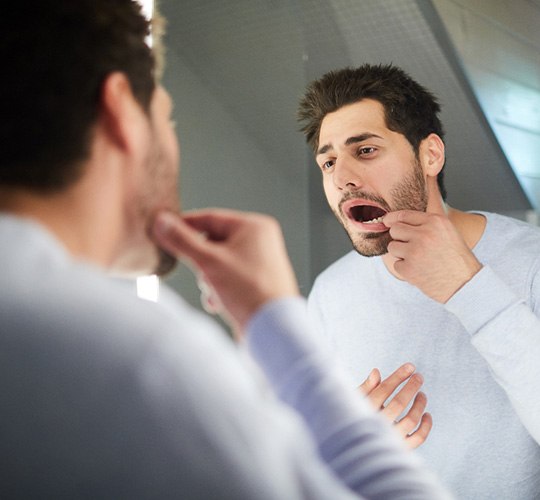
The signs that you may exhibit if you have gum disease will depend on the progression of the infection. Below, our team has included a short list of common symptoms to help you spot the signs as soon as possible:
- Bleeding gums while brushing and flossing
- Inflamed, red, or purple-ish gums
- Sensitive teeth
- Chronic bad breath
- Gum recession that causes small black triangles to form between teeth
- Pus located between the teeth and gums
- Discomfort while chewing
- Changes in your bite
- Loose teeth
How Do We Treat Gum Disease?

Our team will examine your gums and speak with you about any concerns that could be related to gum disease. Based on our findings, we can recommend a tailored treatment plan to help stop the disease from progressing as well as prevent tooth loss. Your plan may include one or more of the following interventions:
Scaling & Root Planing
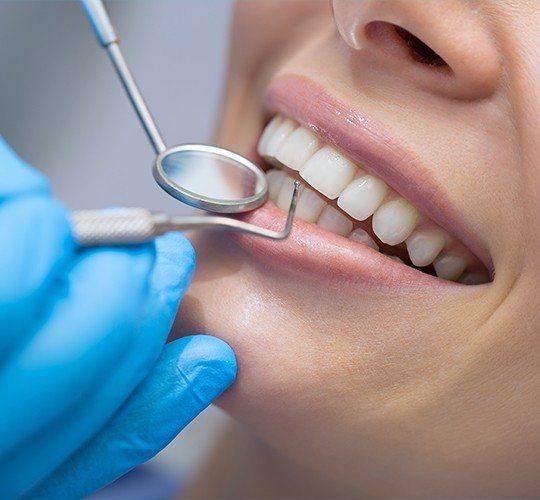
When gum disease reaches its more advanced stages, a regular dental cleaning likely won’t be enough to properly address the issue. As such, we may instead suggest scaling and root planing, which are sometimes referred to as dental deep cleaning. Thanks to scaling and root planing, it’s often possible to slow down or stop the progression of gum disease without the need for surgery.
Do I Need Scaling & Root Planing?
You might benefit from scaling and root planing if you are currently experiencing any of the following symptoms of gum disease:
- Your gums often bleed when you brush or floss.
- You have chronic bad breath.
- There is an unpleasant taste in your mouth that won’t go away.
- Your gumline has noticeably receded.
- Some of your teeth have shifted out of place.
It’s important to visit our office as soon as possible if you have any reason to be concerned about the health of your gums. By thoroughly examining your mouth, our team can determine whether you’re suffering from gum disease and how advanced it is. Once the problem has been diagnosed, we can determine whether scaling and root planing might be an appropriate solution in your case.
The Process of Scaling & Root Planing
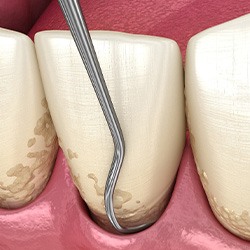
The dental deep cleaning process begins with scaling. This step focuses on getting rid of the plaque and tartar that worsen gum disease. What makes scaling different from a traditional dental cleaning is that it targets the hard-to-reach area beneath the gumline. Our team will take the time to clean all the way down to the bottom of any pockets that have appeared between the teeth and gums as a result of gum disease.
After scaling, we can move on to root planing. Using special instruments, we will smooth out the surface of the roots of your teeth. This can help the gums attach themselves to the teeth again, and it will make it more difficult for bacteria to build up on the roots in the future.
Aftercare Tips for Scaling & Root Planing

Once we’ve completed the scaling and root planing process, we will give you instructions for taking care of your smile while it heals. Here are some tips you should keep in mind:
- Your mouth might be sore for a while, but you can manage the discomfort by rinsing with salt water or using an over-the-counter pain reliever.
- You should plan on making a few adjustments to your diet. Stay away from hot or spicy foods that might irritate the gums, and try to stick to soft or liquid foods for at least a few days.
- When you brush or floss your teeth, you should be extra gentle when cleaning near the areas where scaling and root planing were performed.
Antibiotic Treatment
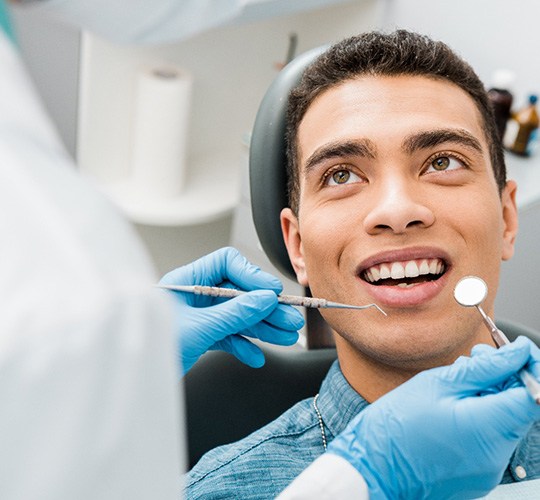
Our team uses Arestin antibiotic microspheres to help target bacteria in the pockets of the gums and help your body fight off the infection. Small microspheres are applied to the gum pockets which will gradually release medication over the course of two weeks, allowing for continuous intervention. The goal of antibiotic treatment is to help shrink your gum pockets and prevent tissue deterioration, which could lead to tooth loss.
Laser Periodontal Treatment
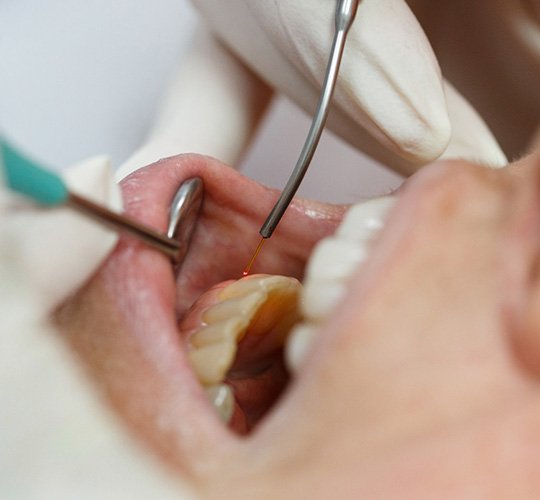
We may utilize our soft tissue laser during your gum disease treatment to make your care more comfortable and effective. With the ability to kill harmful oral bacteria on-contact as well as comfortably remove severely infected gum tissue, our team can provide you with outstanding care. In addition, our soft tissue laser helps reduce post-operative discomfort and bleeding, as well as shorten recovery times.
How Laser Periodontal Treatment Works
Laser periodontal treatment is not typically a standalone therapy. Rather, it works alongside other treatments, such as scaling and root planing, to optimize results.
After a thorough deep cleaning of your mouth, we can use our soft tissue laser to precisely remove diseased tissue that is too badly damaged to heal properly. This reduces periodontal pockets and lowers the risk of future reinfection. Plus, the laser is extremely effective at sterilizing the areas it contacts, meaning that it can kill harmful microorganisms that would otherwise attack your gums and surrounding tissues.
The Benefits of Laser Periodontal Treatment

Gum disease treatment with a soft tissue laser offers several outstanding benefits:
- A laser is more precise and less invasive than traditional dental instruments, such as scalpels. This means that there is very little damage to nearby healthy tissues.
- The laser’s ability to kill bacteria gets rid of disease-causing microorganisms and reduces the risk of posttreatment infections.
- Because the laser cauterizes any tissues that it modifies, it can eliminate the need for sutures. There also tends to be little to no bleeding
- Patients consistently report less discomfort and quicker recovery after laser treatments than after traditional procedures.
Aftercare Tips for Laser Periodontal Treatment

Most patients are fully recovered within a week or so of laser periodontal treatment. (In contrast, traditional procedures often come with a recovery time of 2 – 4 weeks). As you heal, keep these tips in mind:
- You can expect your mouth to be sensitive. Eat a soft diet that does not include any extremely hot or acidic foods. Cool or room temperature foods will likely cause the least irritation.
- Be very gentle during your oral hygiene routine.
- Take over-the-counter pain medications to manage any discomfort.
- Attend all recommended follow-up appointments with our team.
- If you have any questions or concerns during your recovery period, reach out to us right away.