
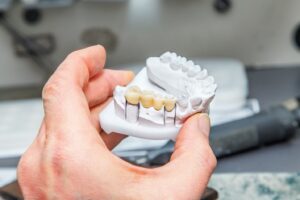
By “bridging” (hence the name) the gap with an artificial tooth supported by neighboring teeth or dental implants, a bridge can restore your smile and make eating and speaking easier. But like any dental restoration, a bridge can eventually become damaged or fail. Here, you’ll find a discussion on common reasons for their lack of success so you can avoid such pitfalls and protect your investment!
1. Not Taking Care of Your Teeth
Even though a bridge replaces missing teeth, you still need to brush and floss every day. Plaque and bacteria can accumulate around and underneath the bridge, potentially contributing to tooth decay and gum disease.
Special flossing tools, interdental brushes, or water flossers may make it easier to clean hard-to-reach areas around your restoration. Your dentist can recommend which method is best for your particular bridge.
2. Decay Around the Supporting Teeth
Traditional dental bridges are often anchored to crowns placed over neighboring teeth. If those supporting teeth develop decay, they may become too weak to support the bridge properly.
Regular dental examinations allow your dentist to check the supporting teeth and identify potential problems before they threaten the restoration.
3. Gum Disease
Healthy gums provide important support for your teeth. Gum disease can cause inflammation and, in advanced cases, damage the bone and tissues that support teeth. If the teeth supporting your bridge become loose because of periodontal disease, the bridge may no longer have a stable foundation.
Maintaining good oral hygiene at home and seeing your dentist twice a year for checkups and cleanings are your best ally in warding off gum disease.
4. Excessive Force or Trauma
Dental bridges are designed to withstand normal chewing, but excessive force can damage them. Biting on ice, hard candy, pens, or other objects can potentially chip or fracture a bridge.
Teeth grinding and clenching can also place significant stress on restorations. If you grind your teeth at night, it’s probably time to talk to your dentist about a custom nightguard to help protect your bridge and surrounding teeth.
A dental bridge can last for many years when properly cared for, but its lifespan depends on influences like oral hygiene, healthy supporting teeth, gum health, and bite forces. So, adhere to a strict at-home oral care regimen, be intentional about what you’re biting into, and talk to your dentist about a nightguard if you frequently wake up with jaw pain or headaches.
About the Practice
Whether you need preventive care for your existing dental bridge or you’re interested in getting one to replace missing teeth, Drs. Masha Kogan and Virginia Romano and the rest of our team invite you to Dental Center of Westport, where you’ll get first-rate service with a smile! Call us at (203) 227-8700 for all your bridge-related questions or feel free to schedule an appointment online.