
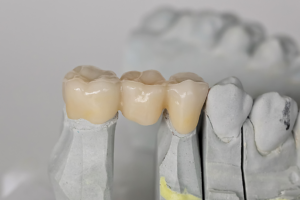
Dental bridges can truly transform your smile, taking a large space between two of your teeth and closing it to create a whole and healthy-looking set of pearly whites. While your bridge is designed to be strong and withstand daily use, it’s still a good idea to follow some preventive measures so you can extend its lifespan and get the most out of your investment. Read on to learn some helpful tips to make your bridge last longer.
How Long Do Dental Bridges Last?
The average dental bridge is designed to last for between 10 to 15 years when good oral hygiene is maintained. When held in place with dental implants, the restoration can last for even longer—about 25 years on average! However, with time, the restoration will wear down and may even fail, depending on your oral habits and the health of your abutment teeth.
How Can You Make Your Bridge Last Longer?
Your dental bridge is designed just for you by a dental laboratory that uses high-quality materials like ceramic and porcelain. Despite this, your new replacement teeth aren’t indestructible. As such, you’ll need to take a few mindful precautions in order to extend the lifespan of your bridge:
Keep Up with Your Hygiene Routine
Just like with your natural teeth, you’ll need to be diligent about brushing and flossing every day when you have a bridge. Depending on the type of bridge you have, there may be a small space between your restoration and your gums. Be sure to clean this area thoroughly to keep food debris and bacteria from accumulating along the gumline. To do so, you can use an interdental brush or water flosser.
Visit Your Dentist for Regular Cleanings
Schedule your routine checkups and cleanings with your dentist and hygienist every six months. They’ll thoroughly clean your gumline and around your abutment teeth to prevent cavities from forming and compromising your restoration.
Be Mindful of the Foods You’re Eating
Try to avoid excessively hard or sticky foods, as this could dislodge or damage your dental bridge. If you’re eating tough meats or chewy foods, be careful, take your time, and cut your food into small pieces!
What Can Cause Dental Bridges to Fail?
There are two common causes for dental bridge failure: tooth decay and gum disease. When the teeth that are supporting your dental bridge are compromised by decay, it can be difficult to spot because they will be covered by the anchoring crowns of your restoration. This is why good oral hygiene practices are very important. Likewise, gum disease can erode the supportive soft and hard tissues surrounding your abutment teeth, compromising their stability and health. When this happens, restoration failure will follow.
It’s not all doom and gloom though! When you brush your teeth twice a day, floss regularly, and visit your dentist every six months, you can extend the lifespan of your bridge by years, making it a worthwhile investment. Although these changes may feel small, they’re incredibly effective!
About the Practice
At Dental Center of Westport, Dr. Masha Kogan and Dr. Virginia Romano provide their patients with expertise that just can’t be found elsewhere in Westport. With decades of combined experience and a true passion for helping their patients maintain healthy and happy smiles, patients always find a home in our practice. For questions or to schedule an appointment to learn more about preventive care for dental bridges, visit our website or call 203-227-8700.